
Alright, fellow trendsetters and savvy shoppers! You know me, always on the hunt for what’s truly making waves and where your hard-earned dollars are heading.
Lately, I’ve been obsessing over how certain brands just *dominate* their niche, especially in the incredibly dynamic world of character goods and licensed merchandise.
It’s not just about cute designs anymore; it’s about strategic moves, deep emotional connections with consumers, and frankly, some serious market savvy.
We’re living in an era where influencer culture and direct-to-consumer models are rewriting the rules, transforming casual fans into dedicated communities that eagerly snap up everything from apparel to digital collectibles.
Think about it: have you ever felt that undeniable pull to grab a piece of merchandise that just *speaks* to your favorite character or show? I know I have!
The global licensed entertainment and character merchandise market is absolutely booming, valued at a staggering $166.78 billion in 2024 and projected to soar to $268.81 billion by 2031.
This isn’t just growth; it’s a testament to how deeply these brands are embedding themselves into our daily lives and culture. From what I’ve observed, brands that truly understand their audience and leverage innovative partnerships, even integrating AR/VR experiences, are the ones seizing the lion’s share.
It’s fascinating to see how they keep us engaged and coming back for more, constantly innovating beyond traditional toys to include everything from fashion collaborations to immersive physical experiences.
But what does it *really* take for a brand, let’s say one as impactful as “Carrie,” to carve out such a significant piece of this pie? Is it just popularity, or is there a masterclass in marketing, community building, and product diversification happening behind the scenes?
When I look at the market, I see a clear shift towards brands that not only create fantastic products but also build genuine, lasting relationships with their fanbase, turning consumers into true advocates.
We’re talking about an ecosystem where loyalty isn’t just hoped for; it’s engineered. Ready to uncover the full story and understand the strategic brilliance behind a brand’s market dominance?
Let’s dive deeper into this fascinating topic below!
Building an Emotional Fortress: The Power of Fandom
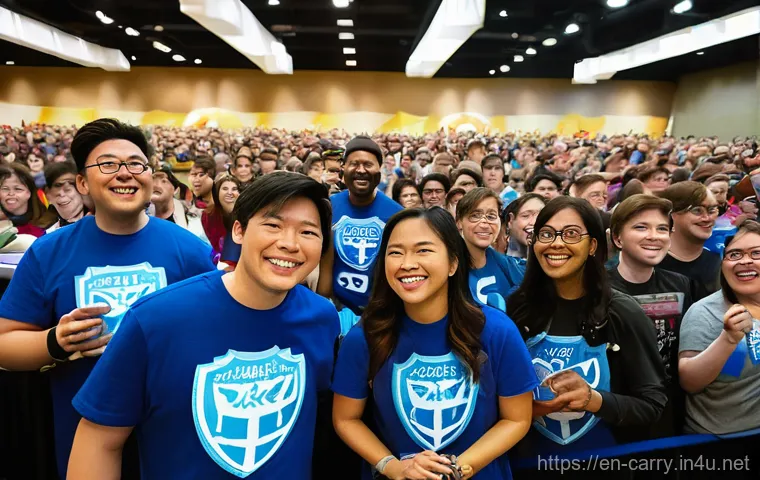
You know, what I’ve personally observed in this booming character merchandise market is that it’s rarely just about the product itself. It’s about something far deeper: the emotional connection fans have with a character or story. Think about it – when you feel that undeniable pull to grab a piece of merchandise, it’s often because it evokes a feeling, a memory, or an identity you cherish. Brands that truly excel at market dominance aren’t just selling items; they’re cultivating a powerful sense of belonging and community. They understand that a loyal fanbase is an emotional fortress, resilient against fleeting trends and competitors. This connection isn’t built overnight; it’s meticulously nurtured through consistent storytelling, engaging content, and an authentic understanding of what makes their audience tick. I’ve seen firsthand how a brand can transform casual observers into passionate advocates simply by tapping into those universal feelings of nostalgia, joy, or aspiration. It’s a masterclass in emotional intelligence, really, turning passive consumption into active participation and fervent loyalty. This is where the magic happens, where perceived value skyrockets because it’s intertwined with personal meaning. It’s truly fascinating to watch this strategy unfold and see how it translates into incredible market presence.
Tapping into Nostalgia and Shared Experiences
One of the most potent weapons in a brand’s arsenal, in my experience, is nostalgia. Seriously, who can resist a throwback to their childhood or a beloved series from their past? Brands that skillfully leverage nostalgia don’t just reissue old designs; they reimagine them, giving them a fresh twist while retaining that core sentimental value. It’s about creating products that aren’t just objects, but tangible memories. I’ve found that when a brand manages to tap into those shared cultural touchstones – the cartoons we all watched, the games we all played, the stories that united us – they forge an instant, powerful bond with consumers. This isn’t just a marketing ploy; it’s an understanding of the human condition, our innate desire to connect with our past and with others who share those experiences. When I see a brand doing this right, it feels less like a purchase and more like a cherished reunion, and that emotional investment keeps fans coming back for more, eager to relive and share those moments.
Crafting Irresistible Storytelling
Beyond nostalgia, the brands that really stand out are the ones that never stop telling their story. They understand that the narrative behind a character or universe is just as important, if not more so, than the physical product itself. It’s about consistent world-building, character development, and creating new, engaging content that keeps the fanbase invested. I’ve noticed a significant shift from just selling a product to selling an ongoing experience. Brands are now weaving intricate narratives across multiple platforms – social media, animated shorts, interactive games, and even immersive events. This continuous stream of storytelling keeps the characters relevant and beloved, ensuring that the emotional connection deepens over time. It makes every piece of merchandise feel like a fragment of a larger, living world that fans are eager to be a part of. This sustained engagement is absolutely vital for long-term brand dominance, turning consumers into lifelong devotees who feel like they’re growing with the brand.
Beyond the Blueprint: Strategic Product Diversification
When you look at the truly dominant brands, you’ll quickly realize they aren’t content sticking to just one type of product. Their genius lies in their ability to strategically diversify their offerings, reaching every corner of their fans’ lives. It’s not just about action figures anymore; we’re talking about high-end fashion collaborations, home goods, tech accessories, and even gourmet food items. I mean, who would’ve thought a character from a beloved cartoon could end up on a designer handbag or a premium coffee blend? But it works! This level of diversification isn’t random; it’s a meticulously planned expansion that maximizes market reach and revenue streams. From my perspective, these brands are constantly asking, “Where else can our characters meaningfully exist in our fans’ daily routines?” This comprehensive approach ensures that there’s always something new and exciting for every fan, regardless of their age, interests, or budget. It’s a testament to their understanding of consumer behavior and a clear indicator of their relentless pursuit of market saturation and continued engagement.
Innovating Beyond Traditional Merchandise
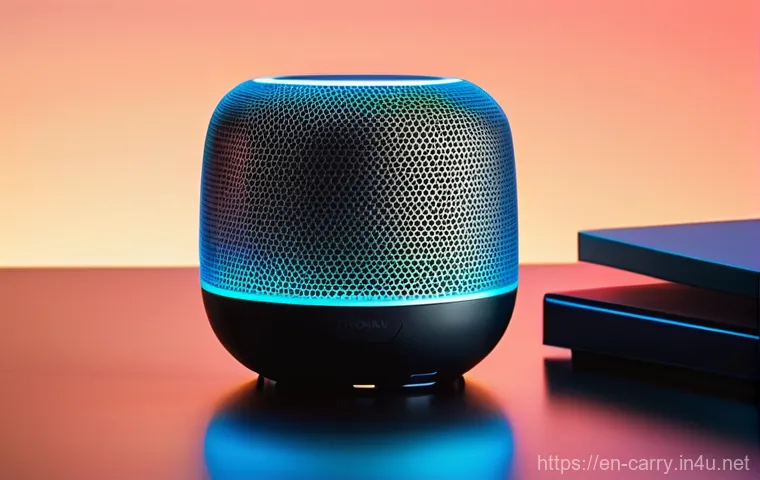
The old days of just churning out basic toys and apparel are, frankly, long gone. The brands dominating today are pioneers, constantly pushing the boundaries of what “merchandise” can even be. I’ve seen some incredible innovations, from smart home devices featuring beloved character voices to augmented reality experiences that bring characters to life in your living room. It’s about leveraging cutting-edge technology to create novel, interactive products that offer more than just aesthetic appeal. This forward-thinking approach keeps the brand feeling fresh and relevant, appealing to a tech-savvy generation of consumers who expect more than just static collectibles. When a brand introduces something truly innovative, it generates immense buzz and excitement, reminding everyone that they are leaders, not followers, in the ever-evolving landscape of licensed goods. This commitment to innovation is a clear signal of their long-term vision and commitment to staying at the forefront of the industry.
Subscription Models and Exclusive Drops
Another brilliant strategy I’ve noticed is the rise of subscription boxes and highly exclusive, limited-edition product drops. This taps directly into the human desire for exclusivity and the thrill of the hunt. Imagine getting a curated box of your favorite character’s merchandise delivered to your door every month – it’s like Christmas for fans! And those limited drops? They create a sense of urgency and collectibility that drives demand through the roof. I’ve personally experienced the excitement of trying to snag a rare item before it sells out, and that feeling of accomplishment when you do is a powerful motivator for continued engagement. Brands are mastering the art of scarcity, turning routine purchases into thrilling events. This not only generates significant revenue but also fosters an incredibly dedicated community of collectors and enthusiasts who are always on the lookout for the next big release. It’s a smart way to maintain a constant buzz and keep fans eagerly anticipating what’s next.
Cultivating Community: From Consumers to Brand Advocates
It’s one thing to sell a product; it’s another entirely to build a vibrant, engaged community around your brand. From what I’ve seen, the most successful brands understand that their fans aren’t just customers; they are the lifeblood of their ecosystem. These brands go above and beyond to foster genuine interaction, creating spaces and opportunities for fans to connect with each other and with the brand itself. This isn’t passive marketing; it’s active community building, turning individual consumers into a collective force of passionate advocates. When fans feel heard, valued, and connected, their loyalty isn’t just transactional; it’s deeply emotional and profoundly influential. They become organic marketers, spreading the word, defending the brand, and genuinely feeling a sense of ownership. I’ve witnessed the power of a strong fan community firsthand – it’s an unstoppable engine for growth and sustained relevance, far more effective than any traditional advertising campaign. This authentic connection is what truly separates the market leaders from the rest.
Direct-to-Consumer Engagement Strategies
In today’s digital age, the direct line of communication between a brand and its audience is invaluable. I’ve observed brands utilizing social media, forums, and even personalized email campaigns to engage directly with their fans. It’s about creating a two-way conversation, not just broadcasting messages. When a brand actively responds to comments, runs polls, or even hosts live Q&A sessions with creators, it makes fans feel seen and heard. This direct engagement builds immense goodwill and trust, as fans perceive the brand as being authentic and approachable. I’ve personally felt a stronger connection to brands that interact with me directly, even if it’s just a simple like or reply on social media. This personalized touch goes a long way in solidifying loyalty and making fans feel like they’re part of an exclusive inner circle, turning them from mere purchasers into active participants in the brand’s journey. It’s truly a game-changer for building lasting relationships.
User-Generated Content and Fan Spotlights
Perhaps one of the most brilliant strategies I’ve seen is the active encouragement and showcasing of user-generated content. Brands that spotlight fan art, cosplay, fan fiction, or even just creative photos of their merchandise are geniuses. Why? Because it empowers the community and makes fans feel like co-creators. It’s an incredibly powerful form of social proof, showing potential new fans the passion and creativity within the existing community. I’ve seen countless examples where a brand re-sharing a fan’s work has led to an explosion of engagement and a surge in new followers. This isn’t just free marketing; it’s an affirmation of the fans’ dedication and talent. It creates a virtuous cycle where fans are inspired to create more, hoping to be featured, and the brand gains an endless supply of authentic, relatable content. It’s a win-win that fosters deep community bonds and broadens the brand’s reach organically.
Mastering the Art of Collaboration: Partnerships That Pop
In the fiercely competitive world of licensed merchandise, no brand is an island. The true titans of the industry are those that master the art of collaboration, forging strategic partnerships that create buzz, expand their audience, and breathe new life into their intellectual property. I’ve seen some utterly brilliant crossovers – unexpected pairings that somehow just *work* and generate massive excitement. These aren’t just random hook-ups; they are carefully selected alliances that align brand values and appeal to complementary demographics. Think about how a beloved cartoon character showing up on a high-fashion runway or collaborating with a cutting-edge tech company can elevate both brands involved. These partnerships inject fresh energy and relevance, preventing staleness and constantly reminding consumers of the brand’s dynamic presence. From my vantage point, a well-executed collaboration is like a powerful amplifier, boosting reach and desirability in ways that individual efforts simply cannot achieve. It’s about leveraging shared strengths to create something truly greater than the sum of its parts.
High-Fashion Crossovers and Limited Editions
One of the most impactful forms of collaboration I’ve seen is the convergence of character merchandise with high fashion. It’s a fascinating juxtaposition that elevates characters from mere toys to cultural icons. When a luxury brand teams up with a beloved character, it transforms perceptions, creates aspirational products, and reaches an entirely new demographic. These limited-edition drops often sell out in minutes, fueled by both fashion enthusiasts and dedicated fans. I personally find the thrill of these rare releases incredibly exciting; it feels like owning a piece of pop culture history that’s also a high-quality, stylish item. These collaborations aren’t just about making money; they’re about cultural cachet, proving that these characters have universal appeal and can transcend traditional boundaries. They generate immense media attention and solidify the brand’s status as a relevant, influential force in contemporary culture, far beyond just the kids’ aisle.
Unconventional Brand Partnerships
Sometimes, the most surprising collaborations are the most effective. I’ve witnessed brands partner with everything from gourmet food companies to athletic wear brands, creating products that you wouldn’t typically associate with character merchandise. And yet, they completely capture the imagination! These unconventional pairings demonstrate a brand’s willingness to innovate and think outside the box, signaling a dynamic and adventurous spirit. Such partnerships often result in truly unique and memorable products that stand out in a crowded market. I think it shows a genuine understanding of their audience’s diverse interests and a creative approach to meeting those interests in unexpected ways. These alliances aren’t just about expanding product lines; they’re about telling new stories and reaching new audiences in a fun, surprising manner. It’s a bold strategy that, when executed well, can significantly broaden a brand’s appeal and market footprint, creating exciting new avenues for engagement and revenue.
The Art of Authenticity: Staying True to the Brand DNA
While diversification and collaboration are crucial, I’ve come to realize that none of it matters if a brand loses its authentic voice. At the heart of every dominant character brand is a unique identity, a specific charm, and a consistent set of values that resonate deeply with its audience. The brands that truly maintain their market dominance are masters of authenticity, ensuring that every product, every campaign, and every interaction feels genuinely “them.” This isn’t an easy tightrope walk, especially as a brand grows and expands into new areas, but it’s absolutely vital. Fans can spot inauthenticity a mile away, and nothing erodes trust faster than a brand that appears to be selling out or losing touch with its core essence. I personally believe that staying true to your brand’s DNA is the ultimate long-term strategy, as it reinforces the emotional connection fans have and builds an unshakeable foundation of trust and loyalty. It feels good to support a brand that you know is true to itself.
Maintaining Core Values in Growth
As brands achieve massive success and expand globally, there’s always the risk of diluting what made them special in the first place. I’ve seen this happen to some, where rapid growth led to a loss of identity. However, the truly enduring brands manage to scale without compromising their core values. They carefully select partners who understand and respect their brand ethos, ensuring that new products and ventures feel like natural extensions, not forced departures. This commitment to maintaining their unique voice, even amidst immense growth, is what earns them deep respect and continued adoration from their fanbase. It’s a deliberate, conscious effort to ensure that the brand’s original charm and purpose remain intact, regardless of how big it gets. For me, knowing a brand can expand while staying true to its roots is incredibly reassuring and speaks volumes about its integrity.
Responding to Fan Feedback Genuinely
Authenticity isn’t just about what a brand projects; it’s also about how it listens and responds. I’ve noticed that the most loved brands are those that genuinely pay attention to fan feedback, even when it’s critical. They see it not as criticism, but as valuable insight. Whether it’s adjusting product designs based on community input or addressing concerns about representation, a brand that demonstrates it’s listening and willing to evolve collaboratively builds incredible trust. This open dialogue creates a sense of partnership with the fanbase, making them feel like active stakeholders in the brand’s journey. I’ve always appreciated brands that are transparent and humble enough to admit when they’ve missed the mark and then work to correct it. That level of responsiveness doesn’t just build loyalty; it fosters a truly unbreakable bond, showing fans that their voices truly matter to the brand they love.
Data-Driven Decisions: Understanding Your Audience Deeply
Let’s be real: emotional connection is king, but behind every successful brand, there’s also a serious reliance on data. The brands that truly dominate aren’t just guessing what their fans want; they’re meticulously analyzing consumer behavior, market trends, and engagement metrics to make informed decisions. This isn’t about being cold and calculated; it’s about being smart and efficient in how they cater to their audience. From what I’ve observed, understanding the “what, why, and how” of consumer purchases allows brands to tailor their product offerings, marketing campaigns, and even storytelling to resonate more deeply. This data-driven approach isn’t just about maximizing profits; it’s about minimizing waste, creating more impactful products, and ultimately delivering a better experience for the fans. It feels like they truly know me, not just as a customer, but as an individual with specific tastes and preferences, and that’s incredibly appealing.
Leveraging Analytics for Product Development
In my experience, the days of relying solely on intuition for product development are long gone. Today’s market leaders are using advanced analytics to understand which character variants, product types, and price points are performing best. They’re tracking online engagement with different designs, analyzing pre-order data, and even looking at sentiment analysis from social media discussions. This wealth of information allows them to refine existing products and innovate new ones with a much higher chance of success. It means fewer misses and more hits, which is great for both the brand and the consumer! I’ve seen how brands use this insight to create products that feel like they were made just for their specific niche, hitting the nail on the head every single time. This scientific approach to creativity ensures that the market is consistently flooded with highly desirable items, keeping the brand’s offerings fresh and relevant.
Personalized Marketing at Scale
Beyond product development, data is revolutionizing how brands communicate with their audiences. The top brands are utilizing segmentation and personalization to deliver marketing messages that truly resonate with individual fans. Instead of a generic email blast, imagine receiving an offer for merchandise featuring your absolute favorite character or a notification about an event happening near you. This level of personalized marketing, fueled by data about your preferences and past purchases, makes you feel valued and understood. I’ve noticed that when marketing feels tailored to me, I’m far more likely to engage and convert. It’s not just about selling; it’s about serving up relevant information and exclusive opportunities that genuinely enhance the fan experience. This strategic use of data strengthens the bond between brand and consumer, ensuring that every interaction feels meaningful and timely, ultimately driving higher engagement and conversions.
Here’s a quick look at key strategies driving brand dominance in character goods:
| Strategy Category | Key Tactics | Consumer Impact |
|---|---|---|
| Emotional Connection | Nostalgia, consistent storytelling, interactive content | Deep loyalty, sense of belonging, higher perceived value |
| Product Diversification | Beyond traditional items, subscription models, limited drops | Broad market reach, increased revenue, excitement & exclusivity |
| Community Building | Direct engagement, user-generated content, fan spotlights | Brand advocacy, trust, organic growth, strong emotional bonds |
| Strategic Collaborations | High-fashion crossovers, unconventional partnerships | Expanded audience, cultural relevance, fresh brand perception |
| Authenticity & Values | Maintaining core DNA, genuine fan feedback, ethical practices | Long-term trust, unwavering loyalty, strong brand reputation |
| Data-Driven Insights | Analytics for product, personalized marketing | Tailored offerings, efficient outreach, enhanced fan experience |
Future-Proofing Your Brand: Agility in a Changing Market
The licensed merchandise market, as we all know, is a whirlwind of constant change. Trends emerge and fade with dizzying speed, technology evolves, and consumer expectations are always shifting. So, how do brands not just survive, but *thrive* in such a dynamic environment? From what I’ve observed, the secret sauce is agility – the ability to adapt quickly, innovate continuously, and anticipate the next big thing. The truly dominant brands aren’t static; they’re fluid, constantly experimenting and learning. They invest in research and development, keep a keen eye on emerging technologies, and are never afraid to pivot when necessary. This proactive approach ensures they stay ahead of the curve, rather than playing catch-up. It’s about building a resilient brand that can weather any storm and emerge stronger, continuously offering fresh, relevant experiences to its ever-eager fanbase. I truly believe that adaptability is the ultimate superpower in today’s fast-paced world, and the brands mastering it are setting themselves up for decades of success.
Embracing New Technologies
Staying at the forefront of technology isn’t just an option anymore; it’s a necessity for market dominance. I’ve seen brands successfully integrate everything from augmented reality (AR) into their mobile apps to creating unique digital collectibles using blockchain technology, like NFTs. These aren’t just gimmicks; they’re thoughtful extensions of the brand universe that offer new ways for fans to interact with their favorite characters. Imagine a virtual character companion that learns from your interactions or a limited-edition digital art piece that holds real value. Brands that are quick to explore and adopt these new frontiers are positioning themselves as innovators, attracting a younger, tech-savvy demographic and creating entirely new revenue streams. This forward-thinking embrace of innovation demonstrates a commitment to evolving with their audience, ensuring they remain relevant and exciting in an increasingly digital world. It’s truly fascinating to see how technology can deepen character engagement.
Sustainability and Ethical Production
Beyond technology, modern consumers, myself included, are increasingly conscious of a brand’s ethical footprint. It’s no longer enough to just have great products; they need to be produced responsibly. The brands that are truly future-proofing themselves are those that prioritize sustainability and ethical production practices. This includes everything from using eco-friendly materials and packaging to ensuring fair labor practices throughout their supply chain. This commitment resonates deeply with a growing segment of the population that wants to support brands aligning with their values. I’ve personally started seeking out brands that are transparent about their ethical standards, and I know many others who do too. By embedding sustainability into their core operations, brands aren’t just doing good; they’re building a stronger, more respected image that appeals to a conscious consumer base, securing their place in the hearts and minds of future generations. It’s a powerful statement of integrity that truly sets them apart.
Wrapping Things Up
So, as we’ve explored the fascinating world of character merchandise and brand dominance, it truly boils down to more than just selling products. It’s about forging a genuine, heartfelt connection with your audience, understanding their desires, and continually nurturing that bond. When you build an emotional fortress with your fans, you create something far more powerful and enduring than any fleeting trend. This journey of authenticity, innovation, and deep community engagement isn’t just good business; it’s the very soul of what makes a brand truly unforgettable and beloved for generations.
Useful Tips to Keep in Mind
1. Always prioritize authentic storytelling; it’s the bedrock of any strong character brand.
2. Don’t be afraid to diversify your product lines, but ensure each new venture aligns with your core brand identity.
3. Actively engage with your community – their passion is your most powerful marketing tool.
4. Explore strategic collaborations to expand your reach and inject fresh excitement into your offerings.
5. Embrace data-driven insights to truly understand your audience and future-proof your brand by staying agile and sustainable.
Key Takeaways
Ultimately, lasting brand dominance in the character merchandise space isn’t about quick wins; it’s a marathon built on genuine emotional connections, strategic innovation, and unwavering authenticity. By understanding your audience deeply, fostering a vibrant community, and consistently evolving while staying true to your core, you can cultivate a brand that not only captures hearts but also commands the market for years to come. It’s about passion meeting purpose, truly.
Frequently Asked Questions (FAQ) 📖
Q: What exactly gives a brand that unbeatable edge in today’s super competitive licensed merchandise market?
A: Oh, this is the million-dollar question, isn’t it? From what I’ve seen and researched, it’s never just one thing, but a powerful combination of strategic smarts, genuine connection, and staying ahead of the curve.
First off, a brand absolutely needs to understand its core audience inside and out. It’s not just about demographics anymore; it’s about psychographics—what truly moves them, what they aspire to, and what gives them that hit of nostalgia or joy.
The brands that nail this create products that resonate on a much deeper, emotional level, turning a casual purchase into an expression of identity or belonging.
Then, there’s the masterful dance of strategic licensing and partnerships. It’s not just slapping a character on a t-shirt. We’re seeing savvy brands diversifying their product categories like crazy, from apparel and accessories to home decor and even digital collectibles, often with limited-edition releases that create a buzz and a sense of urgency.
My personal take is that the brands that embrace technology, like integrating AR/VR experiences or engaging fans in the metaverse with virtual goods, are really capturing the imagination of younger, tech-native consumers.
It’s all about extending the storytelling beyond the screen and into tangible (and even virtual) experiences. Plus, the rise of direct-to-consumer (DTC) models and leveraging influencer marketing means brands can connect directly with fans, bypassing traditional gatekeepers and fostering a much more intimate relationship.
It allows for personalized experiences and consistent brand messaging, which is crucial for building trust and long-term loyalty. It’s a dynamic blend of creativity, market analysis, and relentless innovation that makes a brand truly dominate.
Q: How do successful brands forge those incredibly strong, almost unshakeable emotional connections with their consumers through merchandise?
A: This is where the magic truly happens, and honestly, it’s what keeps me so fascinated by this industry! It’s all about tapping into human emotions and making consumers feel like they’re part of something bigger.
One of the biggest ways is through powerful storytelling. Brands aren’t just selling a product; they’re selling a narrative, a piece of a beloved world, or an emotion.
Think about it: when you buy a piece of merchandise, you’re not just getting an item; you’re buying into the joy, nostalgia, or identity associated with that character or franchise.
I’ve personally felt that rush when I grab something that reminds me of a show I loved as a kid; it’s instant happiness! Successful brands also excel at community building.
They turn consumers into advocates, not just customers. This involves consistent engagement, often through social media, fan events, and even co-creation opportunities.
When people proudly wear or use branded items, they’re signaling their affiliation, creating a sense of belonging, and essentially becoming walking advertisements.
It’s a reciprocal relationship: the brand delivers value and emotional resonance, and the fans return that loyalty, often amplified through user-generated content and word-of-mouth.
Personalization also plays a huge role; when a brand offers customized items or recognizes individual preferences, it makes consumers feel valued and understood, deepening that emotional bond.
The brands that truly get this build a psychological foundation where customers feel personally connected, driving repeat purchases and turning casual interest into deep-seated loyalty.
Q: For smaller brands or individual creators eyeing this lucrative market, what are some practical, actionable strategies to break in and actually succeed?
A: Oh, this is a question close to my heart because I love seeing passionate creators make their mark! It might seem daunting when you look at the giants like Disney, but trust me, there’s absolutely room for smaller players if you’re smart and strategic.
My top advice, from my own observations and frankly, a few trial-and-error moments, is to start hyper-focused. Don’t try to be everything to everyone.
Identify your niche, your superfan audience, and create something that speaks directly to them. What specific characters or themes do you have a unique take on?
What kind of merchandise genuinely excites you to create? Secondly, authenticity is your superpower. People connect with genuine passion.
Share your story, show the behind-the-scenes process, and let your unique voice shine through. This builds trust and a real connection with your early adopters.
Leverage social media not just for selling, but for community building. Engage with your followers, ask for their input, and make them feel like part of your journey.
Influencer marketing, even with micro-influencers who genuinely love your product, can be incredibly effective here. I’ve seen small brands explode simply because their passionate community rallied behind them.
Don’t forget to prioritize quality. Even if you’re starting small, a high-quality product reflects well on your brand and encourages repeat purchases and positive word-of-mouth.
Finally, explore print-on-demand platforms or smaller-batch manufacturing to minimize upfront costs and risks. Platforms like Fourthwall or Printful can be a game-changer for creators looking to test the waters without a huge investment.
It’s about being agile, listening to your audience, and building a brand with heart.